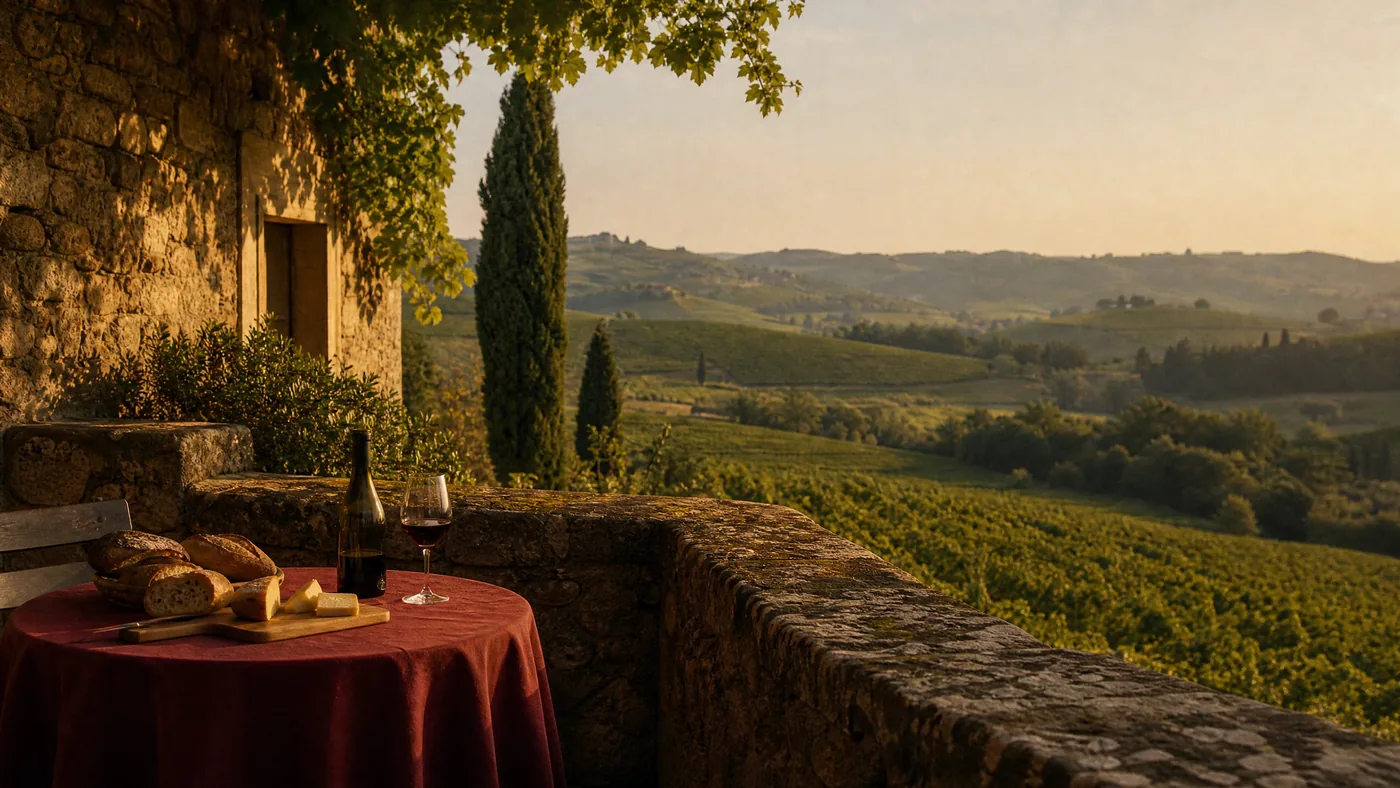
Booking choice: The Kakheti wine tour with ten tastings, from $29 per person. Check dates Tour details
A tasting in Kakheti moves fast. A host pours a pale gold Rkatsiteli, then something deeper and amber from the qvevri, then an inky Saperavi, and finally a glass of sweet dark Kindzmarauli with a plate of churchkhela. The names are new to most visitors, and the labels are in Georgian script.
This guide is your cheat sheet: the two grapes that matter most, the famous appellations made from them, the white grapes worth knowing, dry against semi-sweet, amber wine, chacha, and what to buy in Kakheti and how to get it home.
The quick answer
Start with Saperavi, Georgia's great red grape, and Rkatsiteli, its main white. Then try them as appellations: Mukuzani (dry red, oak aged), Kindzmarauli (naturally semi-sweet red from Kvareli) and Tsinandali (dry white blend). Add one amber qvevri wine and a small sip of chacha, and you have tasted the heart of Kakheti.
What is the best Georgian wine to try first?
A dry Saperavi and an amber Rkatsiteli from the qvevri. Between them they show the two sides of Kakheti: deep red and skin-contact white.
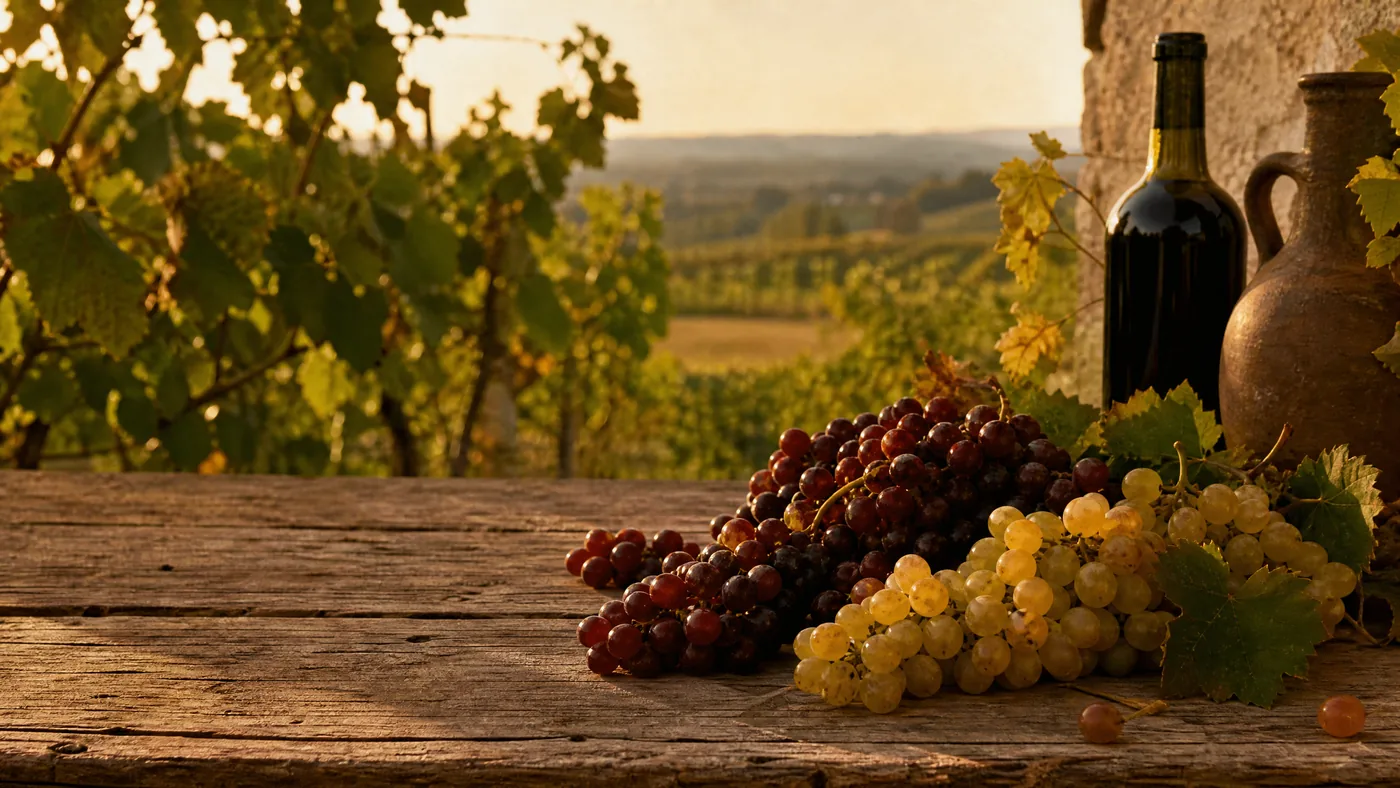
The Georgian National Tourism Administration names the stars of Kakheti as aromatic Kakhuri Mtsvane and Kisi, and full-bodied Rkatsiteli and Saperavi. Decanter adds a number that explains a lot: Rkatsiteli and Saperavi make up about 57.5 and 33.6 percent of the annual harvest. Most of what you taste will be one of the two.
Here is the short list, with where each comes from:
| Wine | Style | Grape | Where |
|---|---|---|---|
| Saperavi | Dry red, deep color | Saperavi | All over Kakheti |
| Mukuzani | Dry red, at least three years in oak | Saperavi | Mukuzani |
| Napareuli | Dry red | Saperavi | Napareuli, Telavi district |
| Kindzmarauli | Naturally semi-sweet red | Saperavi | Kvareli district |
| Akhasheni | Naturally semi-sweet red | Saperavi | Akhasheni, Gurjaani district |
| Rkatsiteli | Dry white or amber | Rkatsiteli | All over Kakheti |
| Tsinandali | Dry white blend | Rkatsiteli and Mtsvane | Telavi and Kvareli micro-regions |
| Kisi, Mtsvane | Aromatic white or amber | Kisi, Kakhuri Mtsvane | Kakheti |
Georgian wines usually carry the name of a village or district, like many wines of Western Europe, so Mukuzani or Kindzmarauli on a label tells you the place first.
What is Saperavi?
Georgia's leading red grape, native to Kakheti. Its name means paint or dye, and even its pulp is red, so the wine is dark, firm and able to age.
Wikipedia explains the name: Saperavi is one of the very few grapes with red flesh as well as red skin, and one of the only such grapes made into wine on its own. Pour a glass and you see why. The color is close to black at the center, with a purple rim.
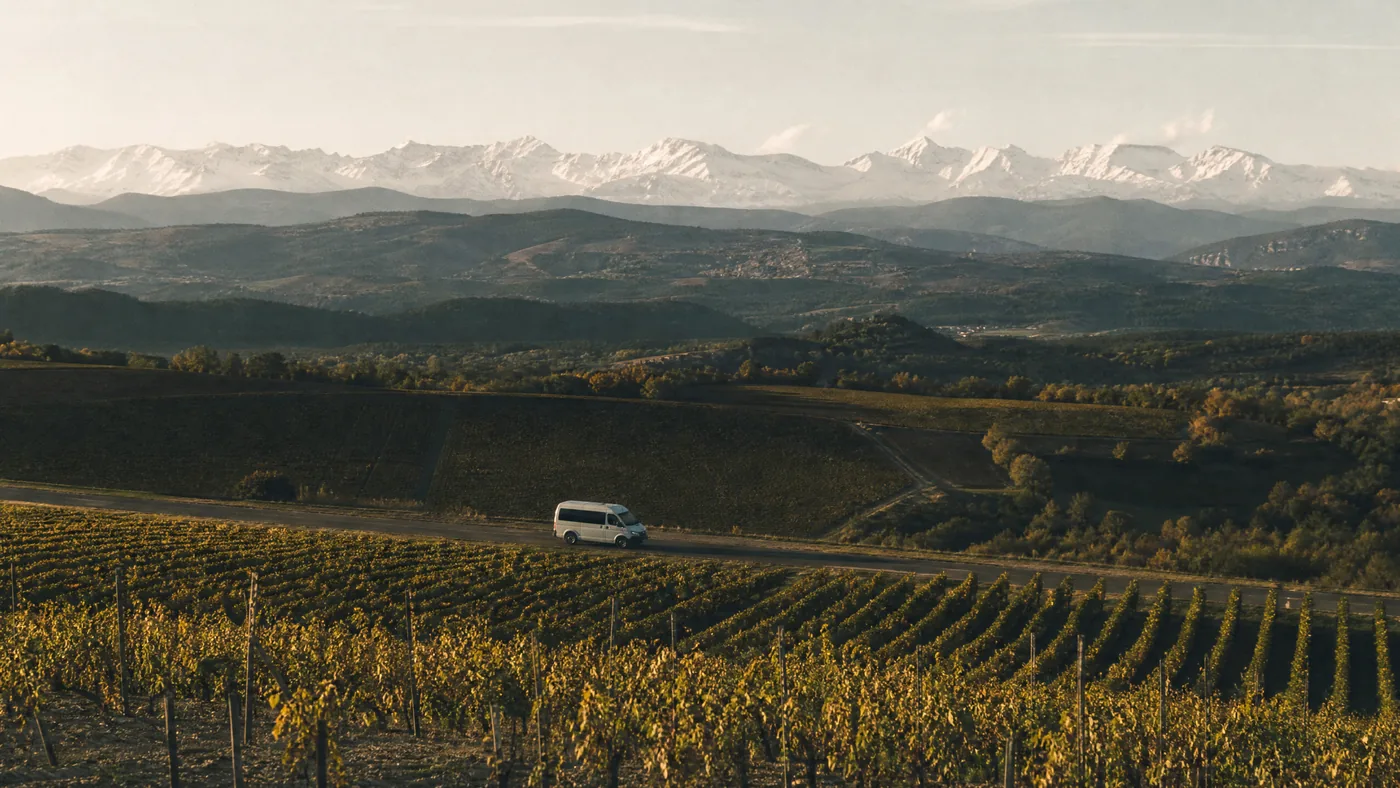
The grape is hardy, copes with cold winters, and grows best in inland regions like Kakheti, where it began. A young Saperavi tastes of dark berries and plums, with fresh acidity and a firm, slightly astringent finish. Aged in qvevri or oak, it gets deeper and softer.
You will taste Saperavi on almost every tour. The Kakheti wine and City of Love tour names it among the three famous Georgian wines it pours, with Kindzmarauli and Rkatsiteli, and the private Kakheti wine tour offers an optional wine ice cream made from local Saperavi.
What are Mukuzani, Napareuli and Kindzmarauli?
Three famous Kakheti appellations, all made from Saperavi. Mukuzani and Napareuli are dry; Kindzmarauli from Kvareli is naturally semi-sweet.
These names are places, protected by Georgian law on appellations of origin. Each one gives Saperavi a different character:
- Mukuzani is a dry red from the village of Mukuzani, aged in oak for at least three years. Wikipedia calls it, in the view of many, the best of the Georgian reds made from Saperavi, with a soft smoky scent of oak and berries.
- Napareuli is a dry red from the Napareuli microzone in the Telavi district, also aged about three years and made from the best of each vintage.
- Kindzmarauli is a dark red, naturally semi-sweet wine from the slopes of the Caucasus in the Kvareli district. The grapes are picked later than usual, and the wine keeps some of their sugar.
- Akhasheni, from the Gurjaani district, is another naturally semi-sweet Saperavi.
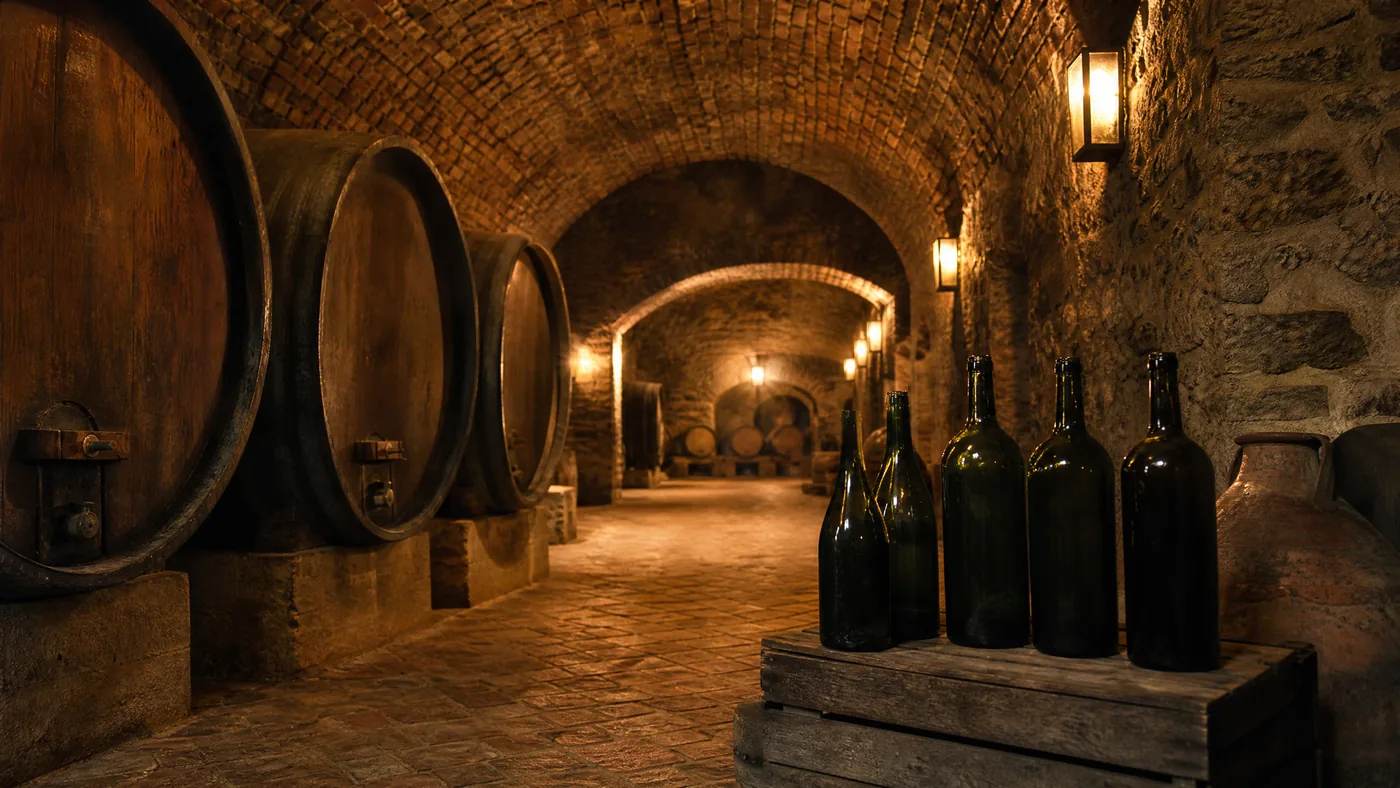
Kvareli is also home to Khareba, a large winery known for its wine tunnel. Advantour and georgia.to describe a tunnel 7.7 km long, cut into the hillside and kept at 12 to 14 degrees Celsius all year, with guided visits and tastings. It is a stop for a longer stay rather than a classic day trip; see how many days to spend in Kakheti.
The most booked wine day: KTW, a cozy Kakheti cellar, Bodbe, Sighnaghi and up to ten premium tastings, with a sunset stop.
Check dates for the Kakheti wine tour with ten tastingsWhich Georgian white wines should you try?
Rkatsiteli first, then Kakhuri Mtsvane and Kisi for something aromatic, and the classic Tsinandali blend. Try each one fresh from steel and amber from the qvevri if you can.
White grapes are half the story in Kakheti, and the same grape can taste completely different depending on how it was made.
- Rkatsiteli means red stem. It is a high-acid grape, often picked late to balance its sugar, and Wikipedia says it is mostly planted in Georgia, its ancestral home. Fresh, it is crisp and citrusy; as amber wine, it turns nutty and firm.
- Kakhuri Mtsvane means the green of Kakheti. It is aromatic and fresh, with high natural acidity, and it is often blended with Rkatsiteli.
- Kisi is a white grape that Decanter describes as making both elegant aromatic whites and layered amber qvevri wines. Its plantings have grown fast in recent years.
- Tsinandali is a dry white blend of Rkatsiteli and Mtsvane from the Telavi and Kvareli micro-regions, still made at the historic Tsinandali estate.
- Khikhvi is another Kakheti white named by the national tourism board, used for dry and dessert wines.
The tours list the whites they pour. The tour with nine tastings samples Rkatsiteli, Saperavi and Manavi Mtsvane at a family winery, and the Kakheti and Sighnaghi tour names Saperavi, Kindzmarauli, a rose and Kisi among the wines of the day.
Dry or semi-sweet: which Georgian wine suits you?
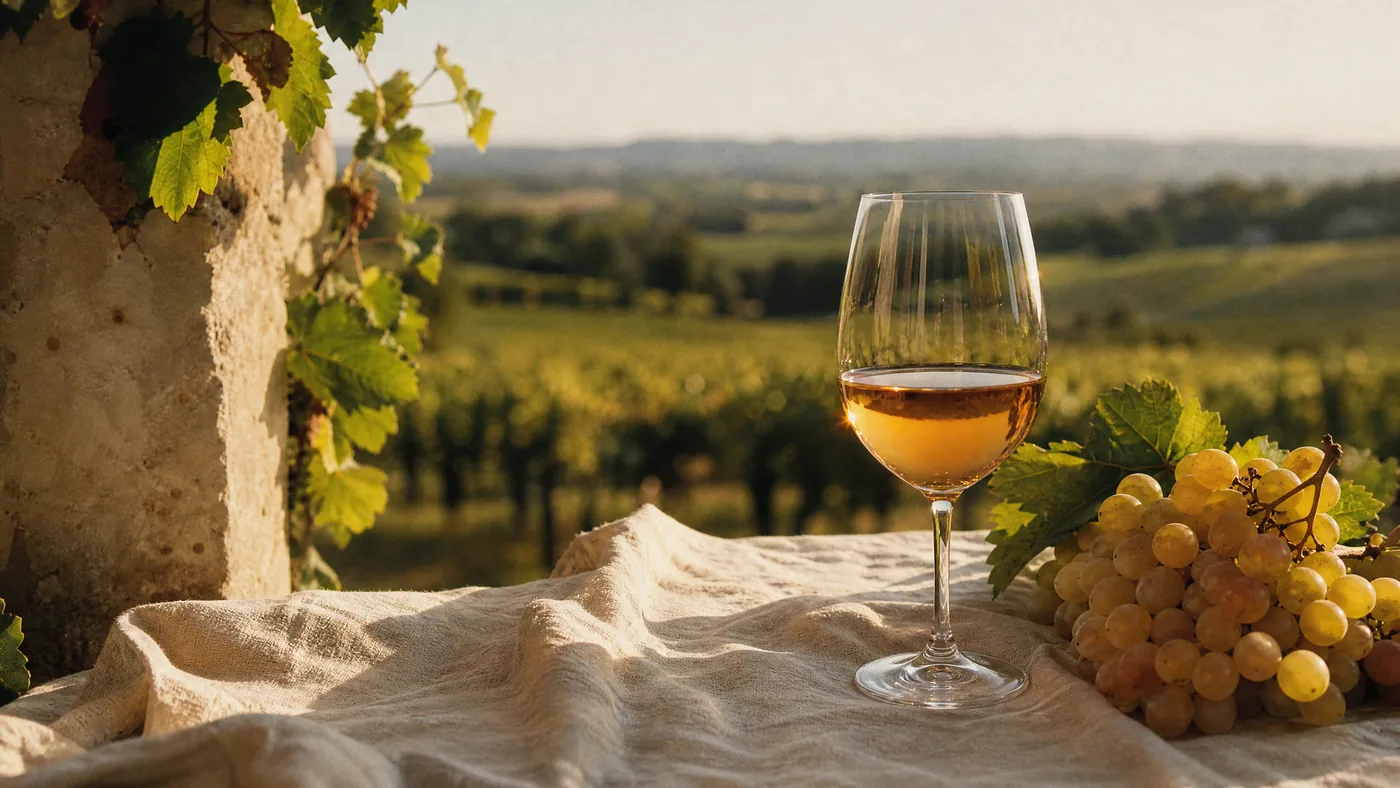
Georgian wines come in every level of sweetness, from dry to sweet. Dry is the local everyday choice; the naturally semi-sweet reds like Kindzmarauli are easy to love.
Wikipedia lists the official classes: dry, semi-dry, semi-sweet, sweet, fortified and sparkling. In Kakheti the dry wines dominate, both the classic reds and the amber whites. The famous semi-sweet reds are made without added sugar: Kindzmarauli keeps about three to five percent natural sugar from late-picked grapes, which makes it soft and fruity. Alazani is a lighter semi-sweet style, named after the valley's river.
A simple tasting order helps your palate:
| Order | Pour | Why |
|---|---|---|
| First | A fresh white: Rkatsiteli, Mtsvane or Tsinandali | Light and crisp |
| Second | An amber qvevri wine | More texture and tannin |
| Third | A dry red: Saperavi, Mukuzani or Napareuli | Fuller and firmer |
| Last | A semi-sweet red: Kindzmarauli or Akhasheni | Sweetness at the end does not dull the rest |
If you prefer dry wine, say so at the start. Hosts are happy to skip the sweet glass, and every pour on a tasting is small.
Should you try an amber wine?
Yes, at least once. Amber wine is the style Georgia gave the world, and Kakheti makes the deepest, most traditional version in qvevri.
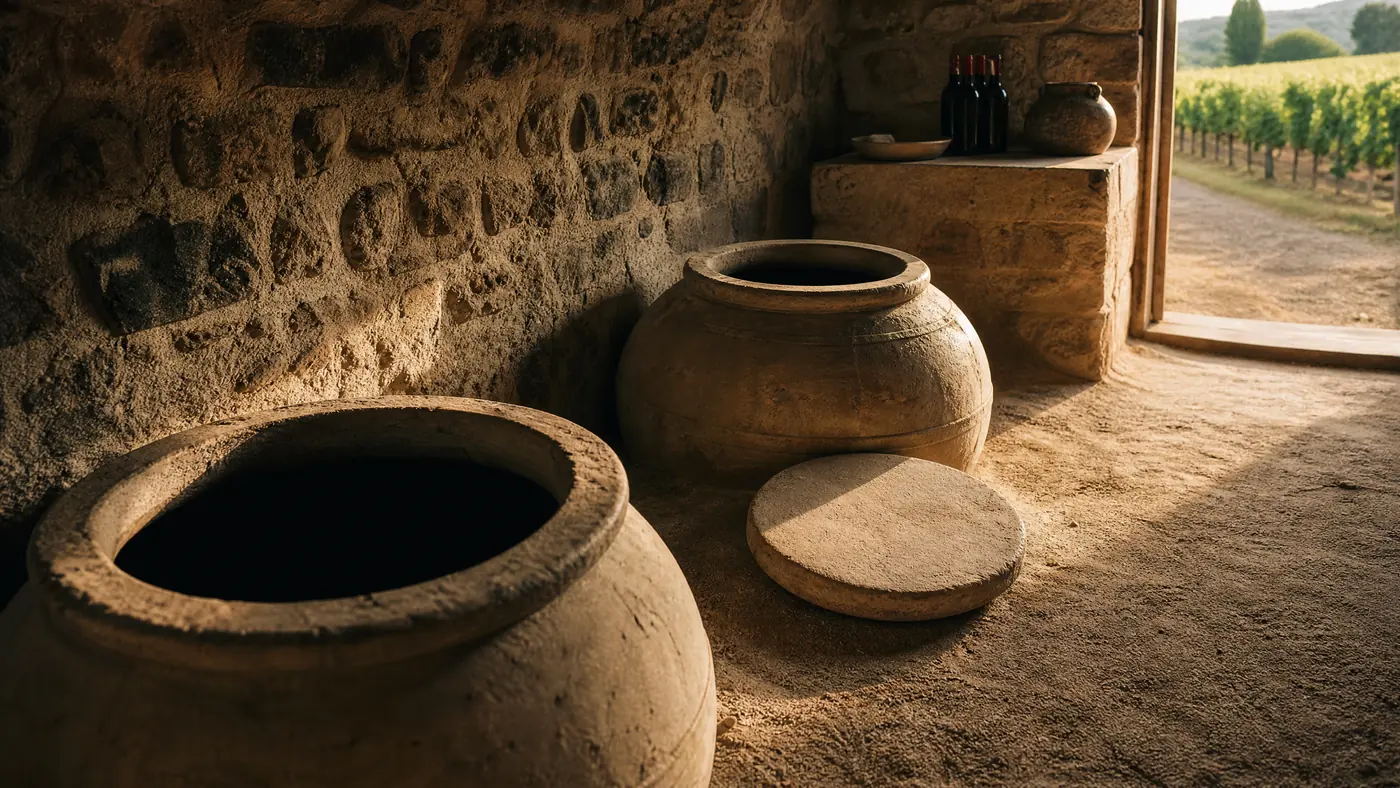
Amber wine is white wine fermented and aged on its skins, pips and often stalks, in Kakheti for several months in a buried qvevri. The color runs from gold to deep amber, and the taste is dry, often with dried apricot and nutty notes and a gentle grip of tannin. It is a wine for food, and it shines with cheese, bread and herbs.
The Telavi family winery and cooking class pours a Rkatsiteli qvevri amber dry wine next to a Saperavi qvevri red, which is a perfect side-by-side. For the whole method, read Georgian wine and qvevri explained.
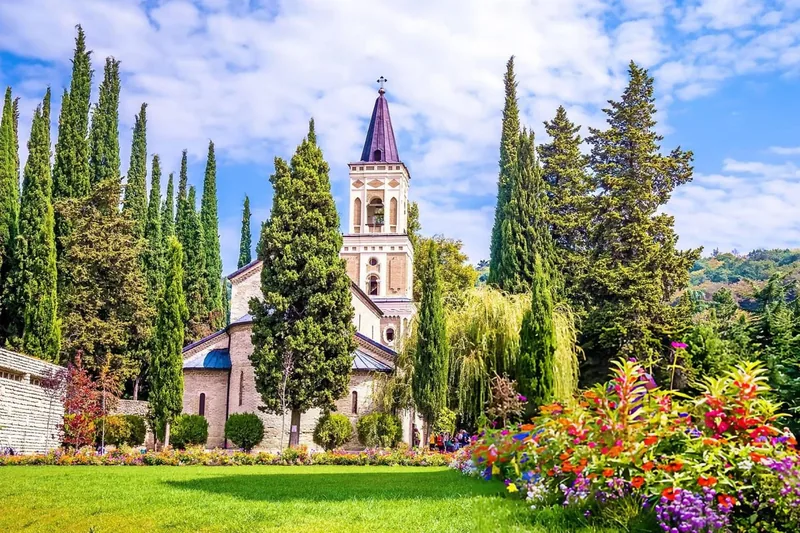
Every tasting in the price: bread from Badiauri, chacha, churchkhela, honey, wine in Telavi, then Bodbe and Sighnaghi.
Explore the Kakheti wine and City of Love tour Tour detailsIs chacha Georgia's signature drink?
Wine is Georgia's signature drink. Chacha, the clear grape brandy, is its signature spirit, and you will be offered a taste on most tours.
Chacha is distilled from the skins and pips left after pressing, the same leftovers Georgians also call chacha. Wikipedia gives around 40 percent alcohol for commercial bottles, with homemade versions stronger still, and notes that most wineries now make it. In 2011 it became Georgia's first registered geographical indication.
On the Bodbe, Sighnaghi and Telavi day trip, you taste family chacha in Manavi and again in Telavi. One small sip is the right amount. And if you want something sweet with it, the strings of churchkhela, walnuts dipped in thickened grape juice, hang at every stop.
What wine should you buy in Kakheti, and how do you take it home?
Buy from the cellars you visit: a Saperavi, an amber qvevri white and a Kindzmarauli make a good set. Wrap the bottles well and put them in your checked bag.
The tours stop at family cellars and wineries that sell their own bottles, and many visitors buy where they liked the wine. Wikivoyage mentions homemade wine sold in reused plastic bottles in Sighnaghi; it is fine to drink on your trip, but glass travels far better.
For the flight home, keep it simple:
- Pack bottles in checked luggage. Madloba, a Georgia travel guide, advises putting wine and chacha in the hold, well wrapped. Under the usual airport security rules, large liquids are not allowed in cabin bags, except duty-free bought after security.
- Check your own country's allowance. Georgia does not set a limit on wine you take out, but the country you fly to sets its own duty-free allowance for alcohol.
- Mind your airline's weight limit. A few bottles add up quickly.
- Add sweets that travel. Churchkhela keeps well and makes an easy gift.
Rules change and differ by country and airline, so check them before you fly.
Nine tastings with time to buy: a bakery, a qvevri family winery with Rkatsiteli, Saperavi and Mtsvane, then KTW.
Check dates for the Kakheti tour with nine tastingsFrequently asked questions
Are Georgian wines good?
Yes, and they are like nothing else. Georgia has over 500 native grape varieties, according to the National Wine Agency, and a winemaking method listed by UNESCO. Mukuzani alone has won many international medals.
What is the best white wine from Georgia?
There is no single answer, but Rkatsiteli is the classic, Tsinandali is the famous dry blend, and Kisi and Kakhuri Mtsvane are the aromatic grapes to try, either fresh or amber.
Which tour pours the most wines?
The Kakheti wine tour with ten tastings pours up to ten premium wines when you pick that option, the tour with nine tastings pours nine, and the Kakheti and Sighnaghi tour pours seven.
Is Kindzmarauli sweet?
It is naturally semi-sweet, with a few percent of the grapes' own sugar left in the wine. It is soft and fruity, and most hosts pour it last.
Ready to book
Choose your tour
Free cancellation up to 24 hours before on every option. Prices are from-prices in USD and move with the season.

Kakheti Wine Region Tour with 10 Premium Tastings and Sunset
- Guide and transport from Tbilisi
- 10 premium wine tastings with the tasting option
- All entrance fees
Kakheti and Sighnaghi Tour with 7 Wine Tastings
Seven tastings on a budget